Engineering
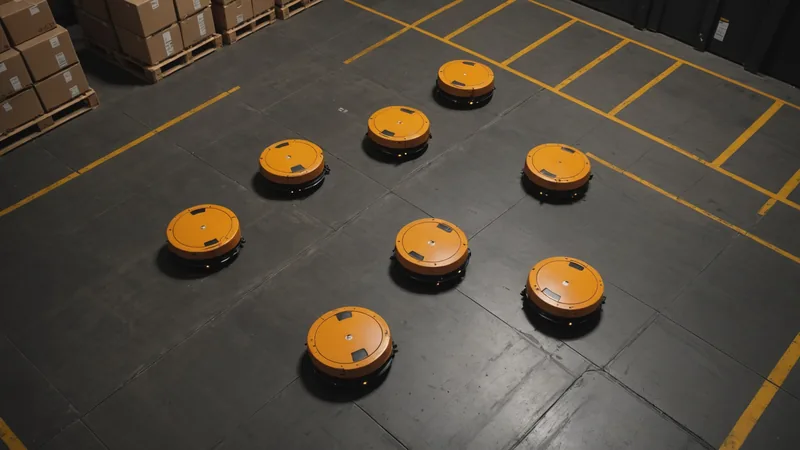
Beyond Single-Arm: Coordinating Mobile Fleets
Single-robot task dispatch doesn't compose well to multi-robot operations. The coordination problems that appear at scale, and how a task graph layer addresses them.
Blog
Articles from the Stateful Robotics engineering team on task compilation, dynamic replanning, fleet coordination, and what it actually takes to run AMR fleets reliably in warehouses and 3PL facilities.

Product
When a forklift parks across aisle 4 mid-shift, most AMR systems stop or wait for an operator. This post covers how stateful task tracking changes the replanning calculation and what it means for floor throughput.
Read article
Engineering
Single-robot task dispatch doesn't compose well to multi-robot operations. The coordination problems that appear at scale, and how a task graph layer addresses them.
Engineering
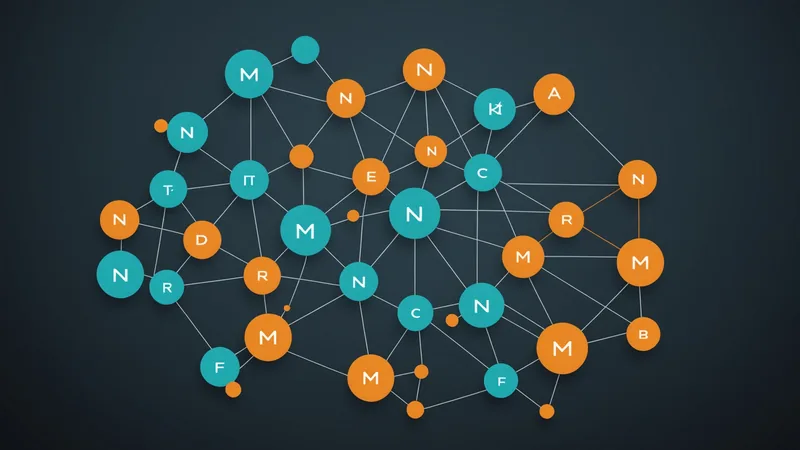
A "move pallet to dock 7" instruction hides a dozen implicit constraints. How the compilation engine extracts them, builds a dependency graph, and resolves robot-type matching before any robot moves.
Operations
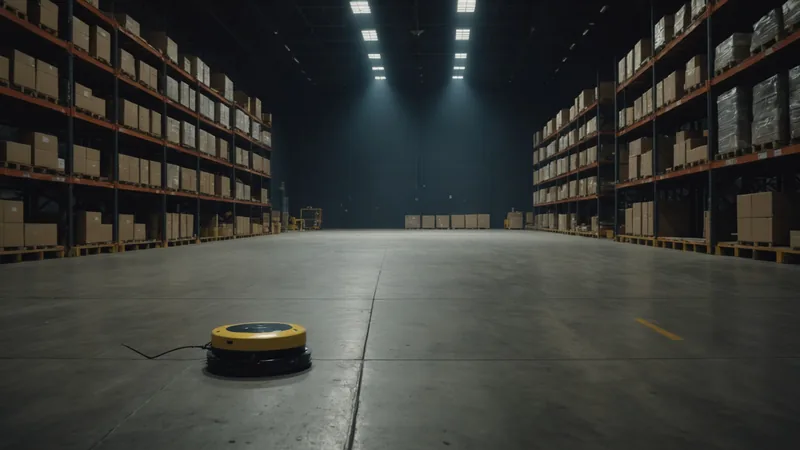
Issuing one task at a time, waiting for confirmation, issuing the next: the sequencing constraint that works for a single robot creates compounding delays across a 20-robot fleet.
Engineering
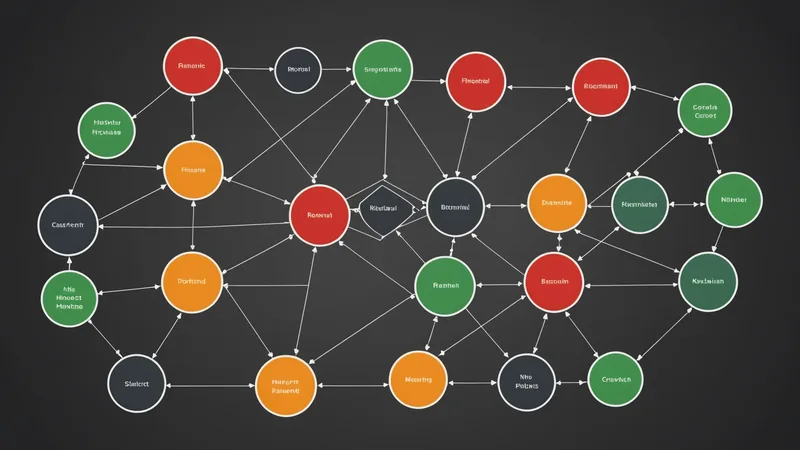
Pick-and-pack involves many partial tasks spread across a fleet simultaneously. What fleet state management actually means in this context and how it affects replanning when something goes wrong.

Integration
Most WMS systems weren't designed with AMR task dispatch in mind. Practical patterns for connecting WMS outbound event triggers to an orchestration API without custom middleware for every deployment.
Operations
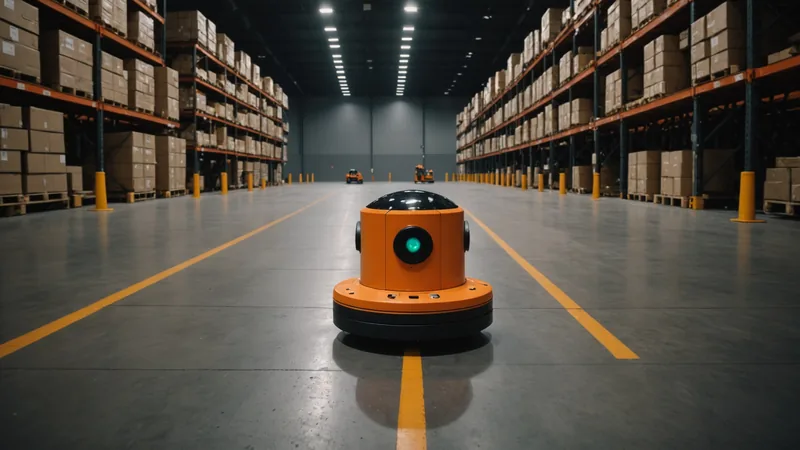
A single blocked lane during a busy pick window can cascade across a fleet quickly. Estimating idle time from blocked lanes and why the first few seconds of the block response matter most.

Engineering
Warehouse floors are not deterministic environments. Designing an orchestration system that treats uncertainty as a first-class concern from the architecture level, not as an edge case to handle in the error path.

Engineering
Representing a warehouse floor as a navigable graph, identifying where path conflicts arise between concurrent robot assignments, and how to detect and resolve them before dispatch.

Resources
The criteria that matter when evaluating orchestration software for a warehouse or 3PL AMR deployment: what to look for in replanning capability, WMS integration, robot vendor support, and deployment model.
Engineering
A task graph that works for a single warehouse zone behaves differently at multi-zone scale. Inter-zone dependencies, cross-zone conflict handling, and what changes in the compilation step when zones interact.
Product
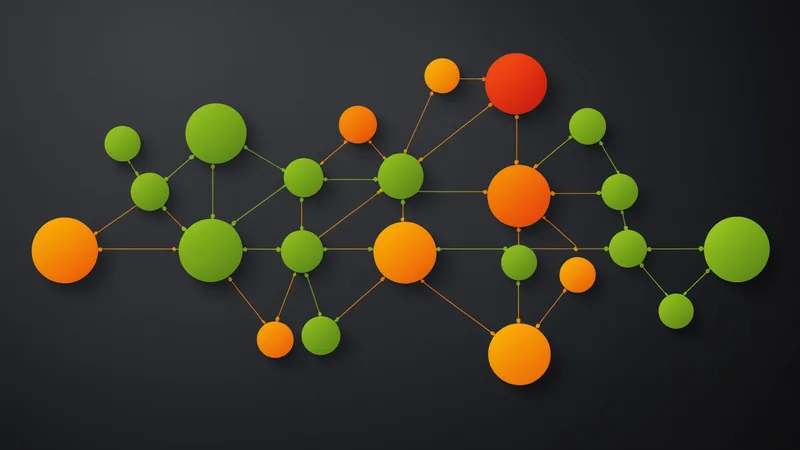
Why task history changes the replanning problem. The difference between a stateless orchestrator restarting a run from scratch and one that knows which steps have already completed.
Operations
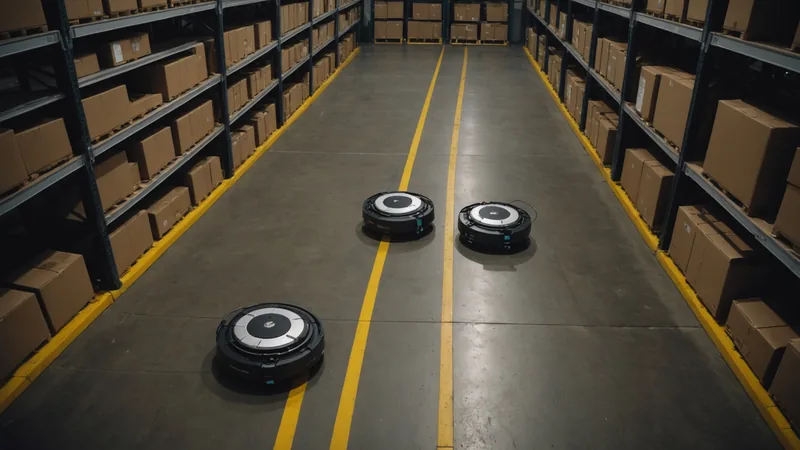
Starting an AMR orchestration deployment in a single zone or sub-facility before expanding. What the onboarding looks like, where the system boundaries sit, and how to scope a limited-footprint pilot.